Computer engineer and game developer. I build procedural generation systems, the tools that drive them, and the engine-level code underneath. Open to full-time roles and freelance projects.
★ OPEN TO WORK ★ UNITY ★ C# ★ C++ ★ GRAPHICS ★ PROCEDURAL GENERATION ★ ★ OPEN TO WORK ★ UNITY ★ C# ★ C++ ★ GRAPHICS ★ PROCEDURAL GENERATION ★ ★ OPEN TO WORK ★ UNITY ★ C# ★ C++ ★ GRAPHICS ★ PROCEDURAL GENERATION ★ ★ OPEN TO WORK ★ UNITY ★ C# ★ C++ ★ GRAPHICS ★ PROCEDURAL GENERATION ★ ★ OPEN TO WORK ★ UNITY ★ C# ★ C++ ★ GRAPHICS ★ PROCEDURAL GENERATION ★ ★ OPEN TO WORK ★ UNITY ★ C# ★ C++ ★ GRAPHICS ★ PROCEDURAL GENERATION ★
SELECTED WORKS
02 / DISKS INSERTED: 5
dungeon_layout.png
PROJECT 001SENIOR PROJECT
PROCEDURAL DUNGEON
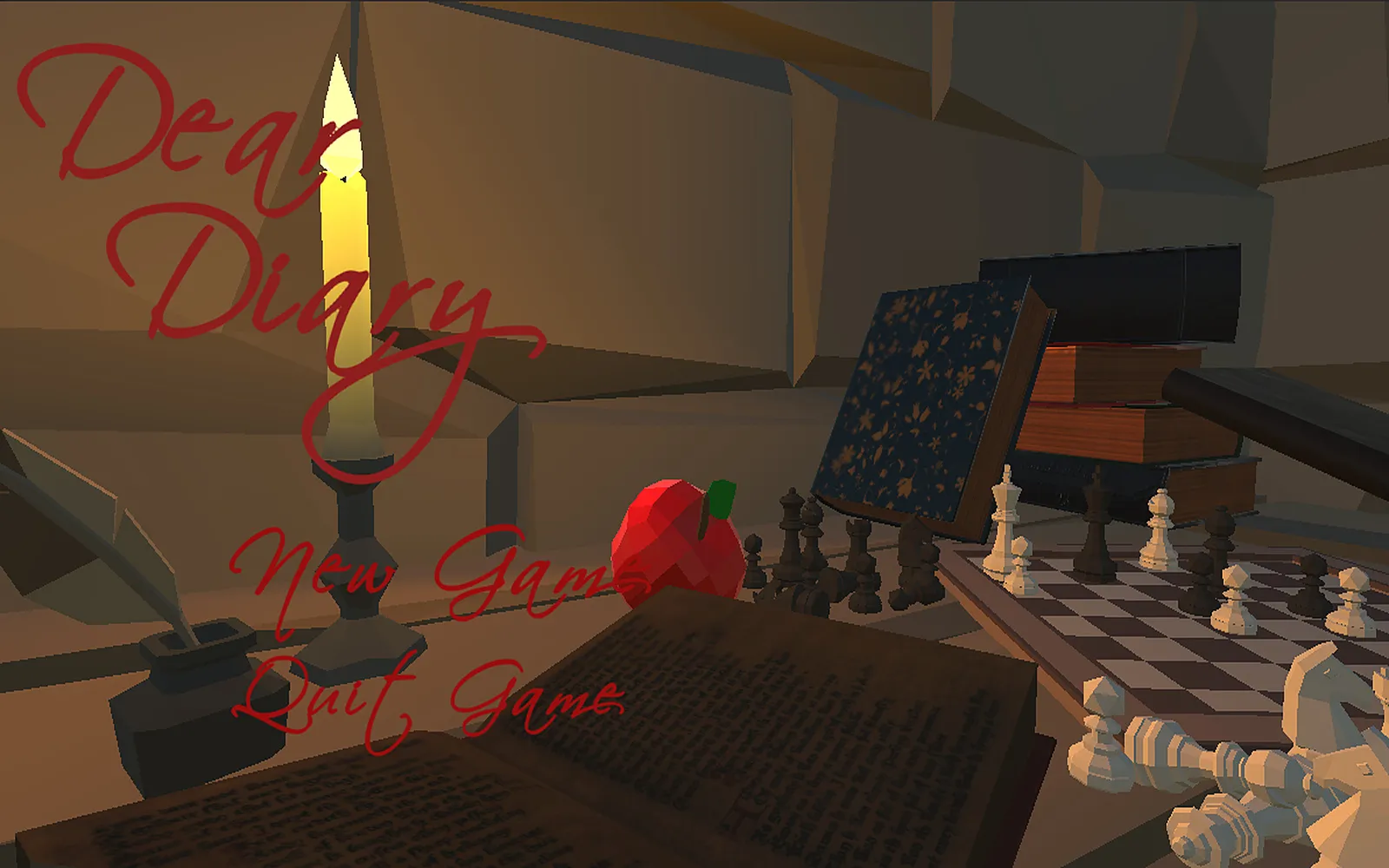
A dungeon-crawling puzzle game where the dungeon is different every time you play. Rooms are laid out, connected and validated at runtime; you explore, solve what you find, collect key items and carry them back to a central well to finish the run.
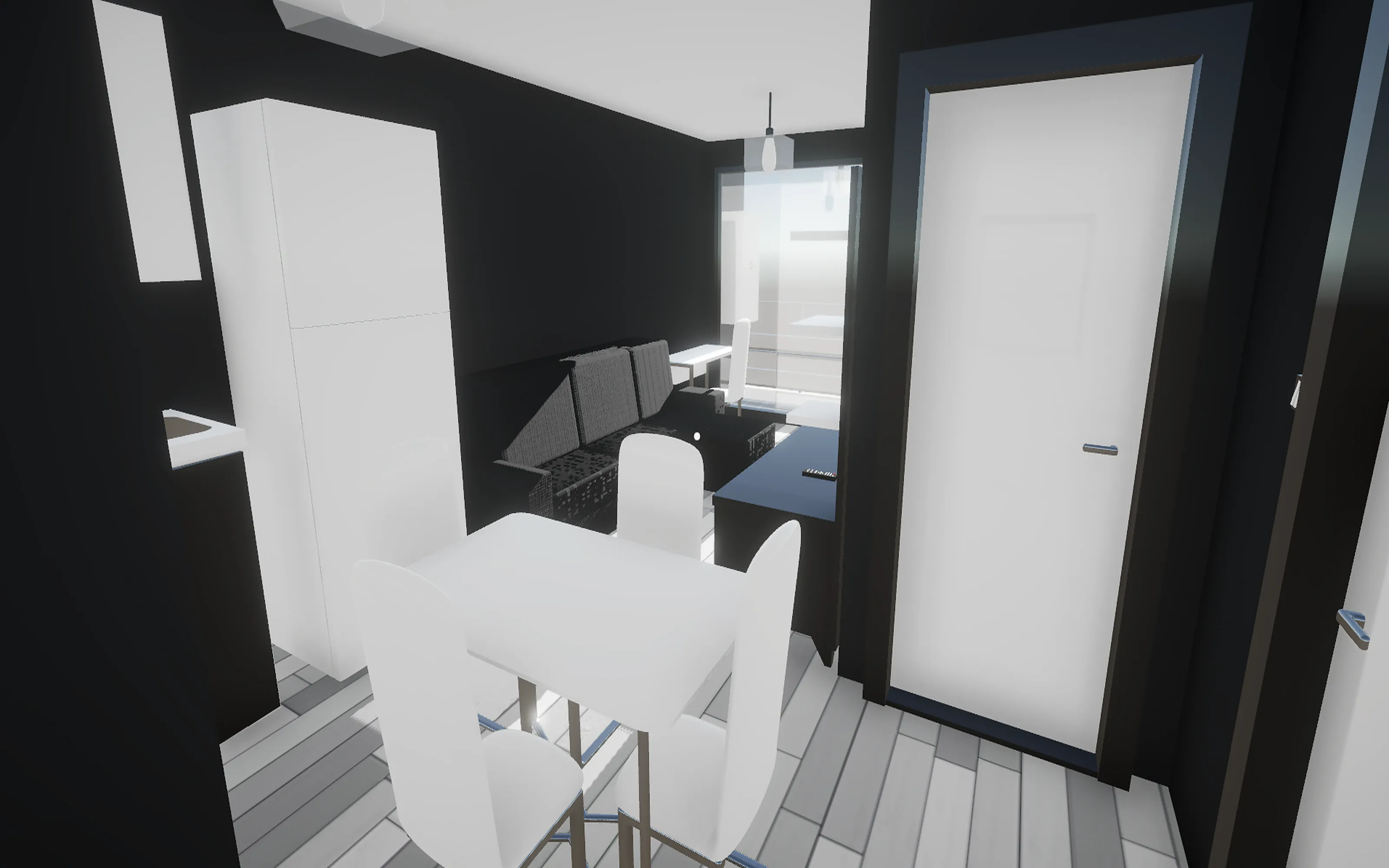
A first-person walkthrough of an apartment where everything you would expect to touch actually responds — doors swing, drawers slide, light switches work, and you can recolour surfaces on the spot. Built as a VR-ready property showcase during my internship at Karabük University.
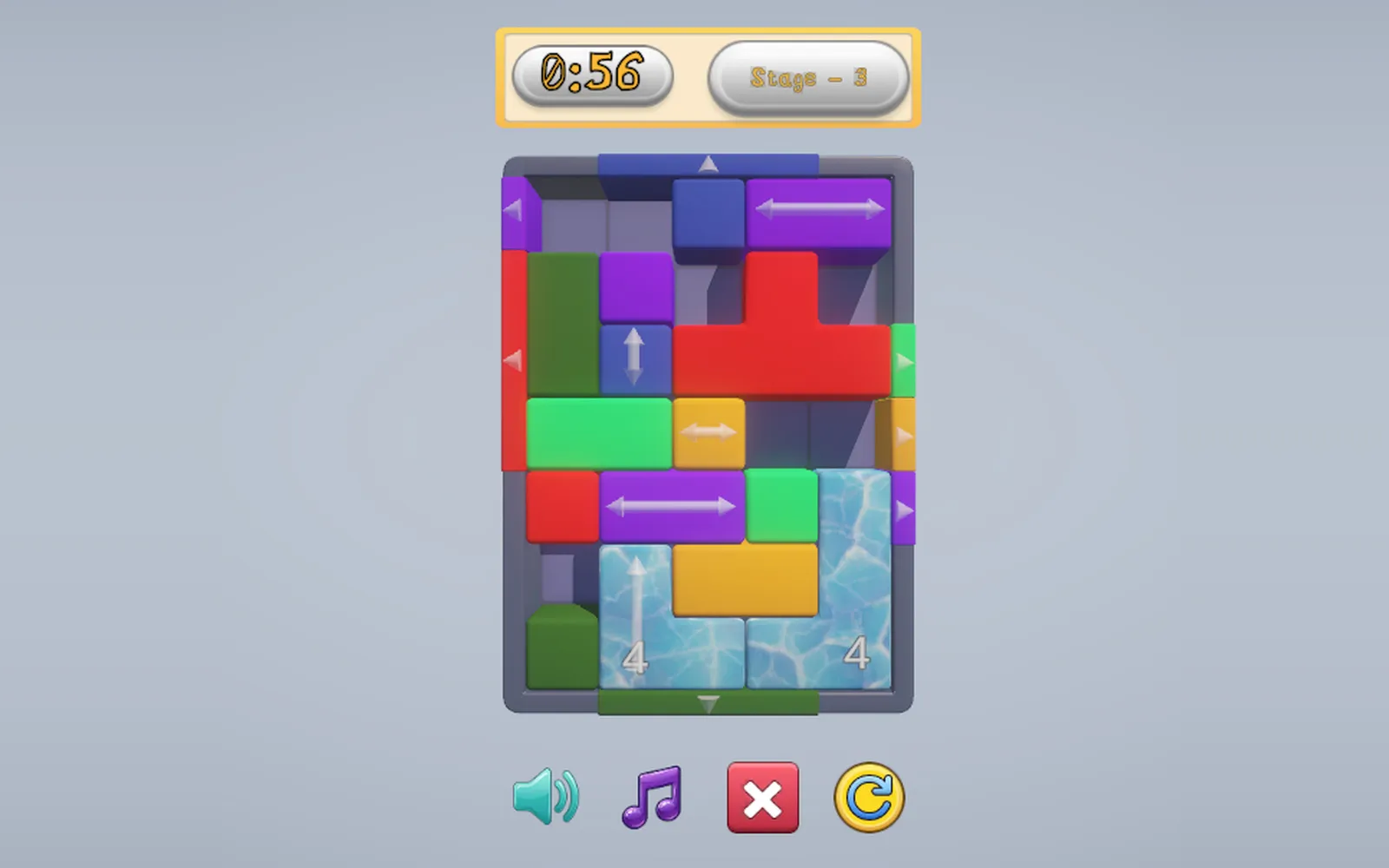
A top-down colour-matching puzzle game. Drag coloured blocks onto matching grinders to clear the grid before the timer runs out — readable in a second, with enough constraint layered on top to stay awkward in a good way.
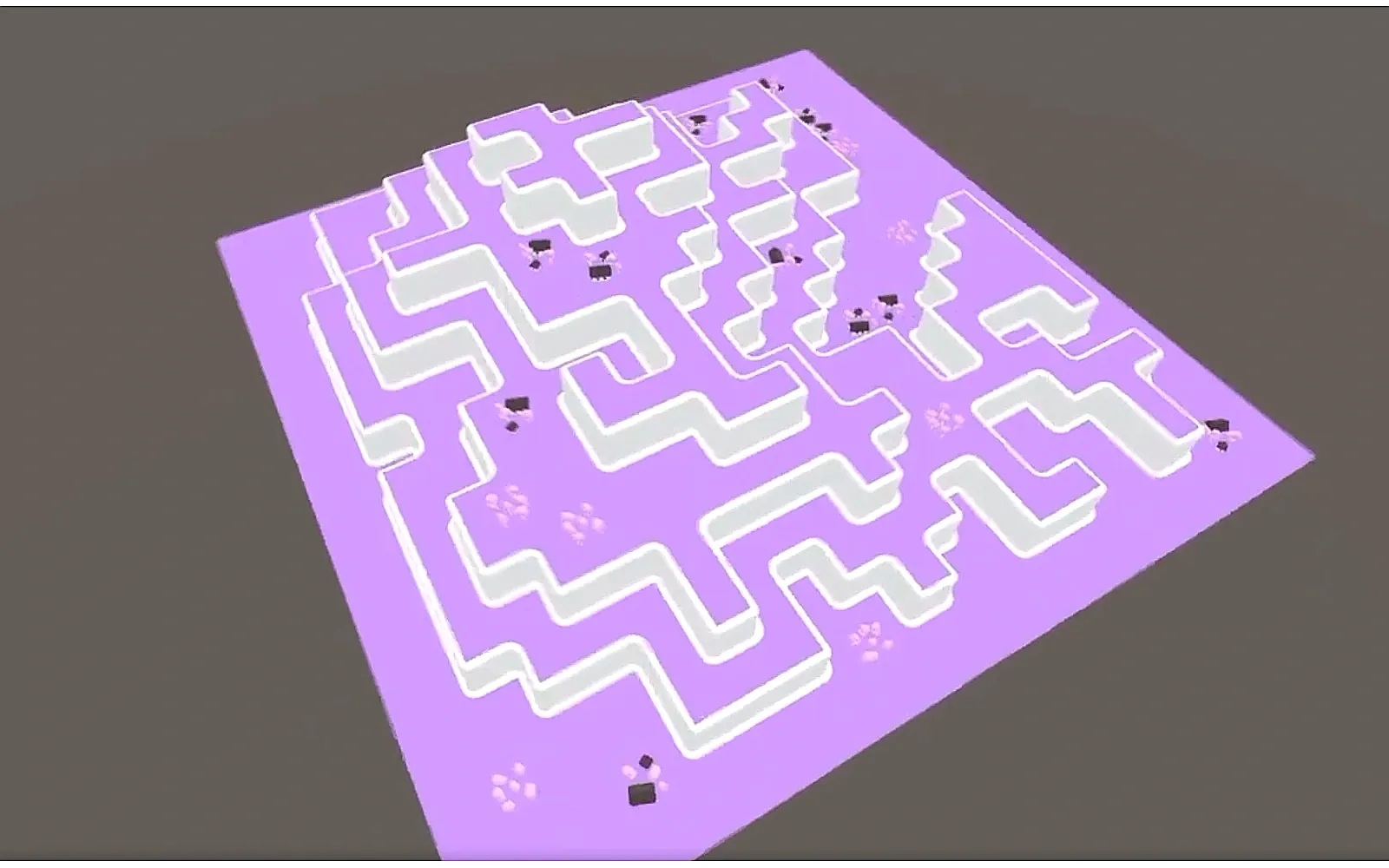
A procedural structure generator in Unity that builds coherent 3D worlds from a set of labelled modules. It reads the geometry of each mesh, works out for itself which pieces can sit next to which, and collapses the possibilities into a structure that is different every run and never illegal.
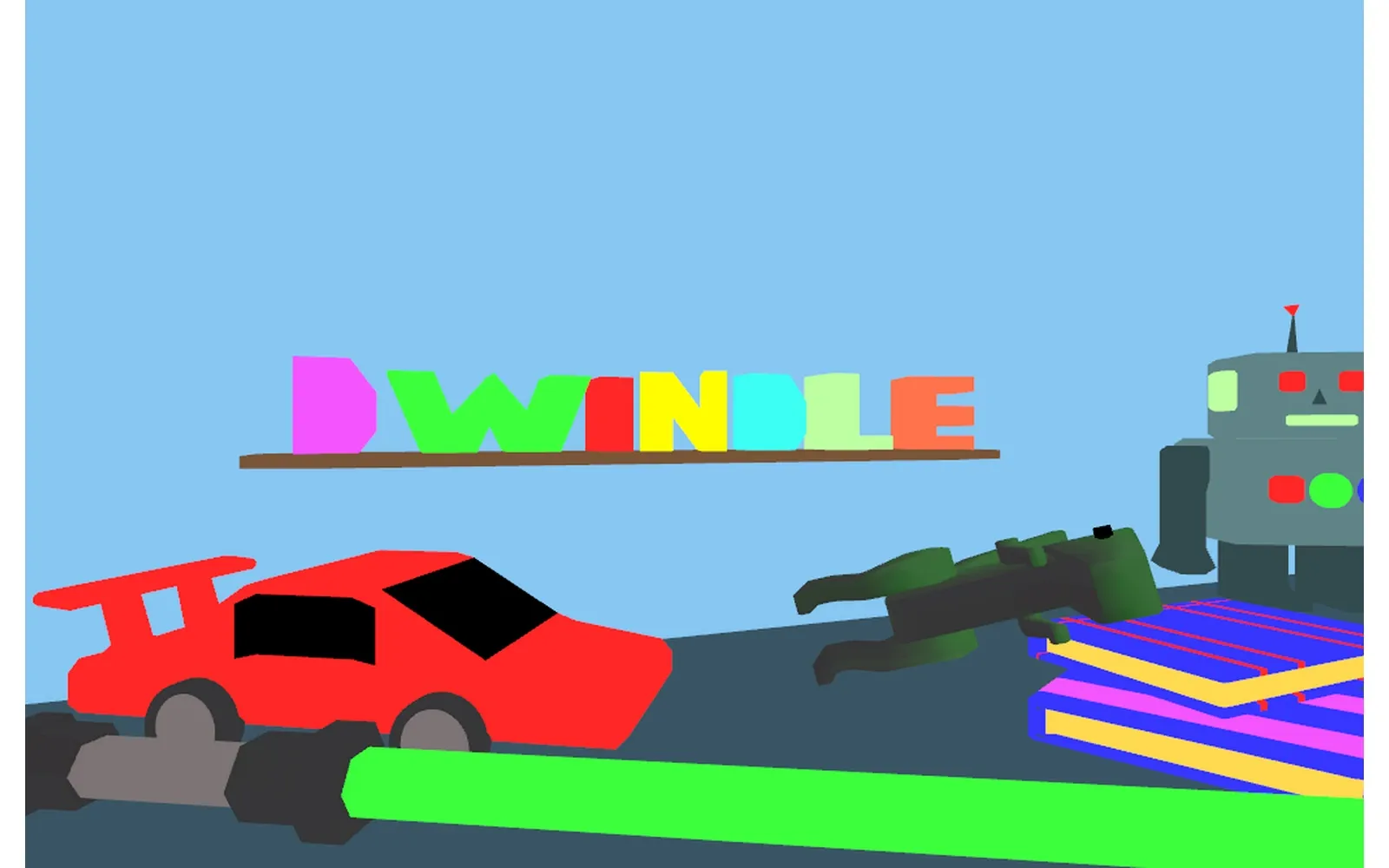
A game about getting smaller. You are in a child bedroom, building routes out of the toys lying around to reach places you cannot yet get to — and every route you take shrinks you further, so the room keeps growing around you.
I'm Tolga — a computer engineer who ended up making games. I like the whole stack: from data structures and frame budgets to the moment a player actually picks something up. Most of my work lives where procedural generation meets tooling — systems that generate something different every run, and the editors that make them usable by someone who isn't me.